Key Vocabulary
- Megalithic: made of very large stones
- Tomb: a place where people are buried
- Passage: a narrow path or corridor
- Solstice: the shortest or longest day of the year
- Carving: a design cut into stone or wood
- Archaeologist: a person who studies ancient objects and places
- Dolmen: a stone structure with a flat top, often used as a tomb
- Cairn: a pile of stones, often used as a grave or marker
- Ritual: a set of actions done for religious or cultural reasons
- Remote: far away from cities or people
- Atmosphere: the feeling or mood of a place
Ireland is famous for its green hills, castles, and lively cities. However, long before these were built, people on the island created something even older and more mysterious: megalithic sites. These are large stone structures such as tombs, stone circles, passage graves, and standing stones. Many of them are over 5,000 years old, which means they are older than the pyramids in Egypt and Stonehenge in England. These ancient places help us understand the lives, beliefs, and skills of early farming communities. For travellers who enjoy history, myths, and beautiful landscapes, Ireland’s megalithic sites are truly special.
One of the most famous sites is Newgrange, located in County Meath. It is part of a larger area called Brú na Bóinne. Newgrange was built around 3200 BCE and is a large passage tomb. What makes it so unique is its connection to the winter solstice. Every year, on the shortest day of the year, the rising sun shines through a small opening above the entrance. The light travels down a narrow passage and lights up the inner chamber. This event only lasts a few minutes, but it is very impressive. It shows that the people who built Newgrange had a strong understanding of the sun and the movement of the sky. The stones at the entrance are also decorated with beautiful spiral carvings, which are an important example of ancient art.
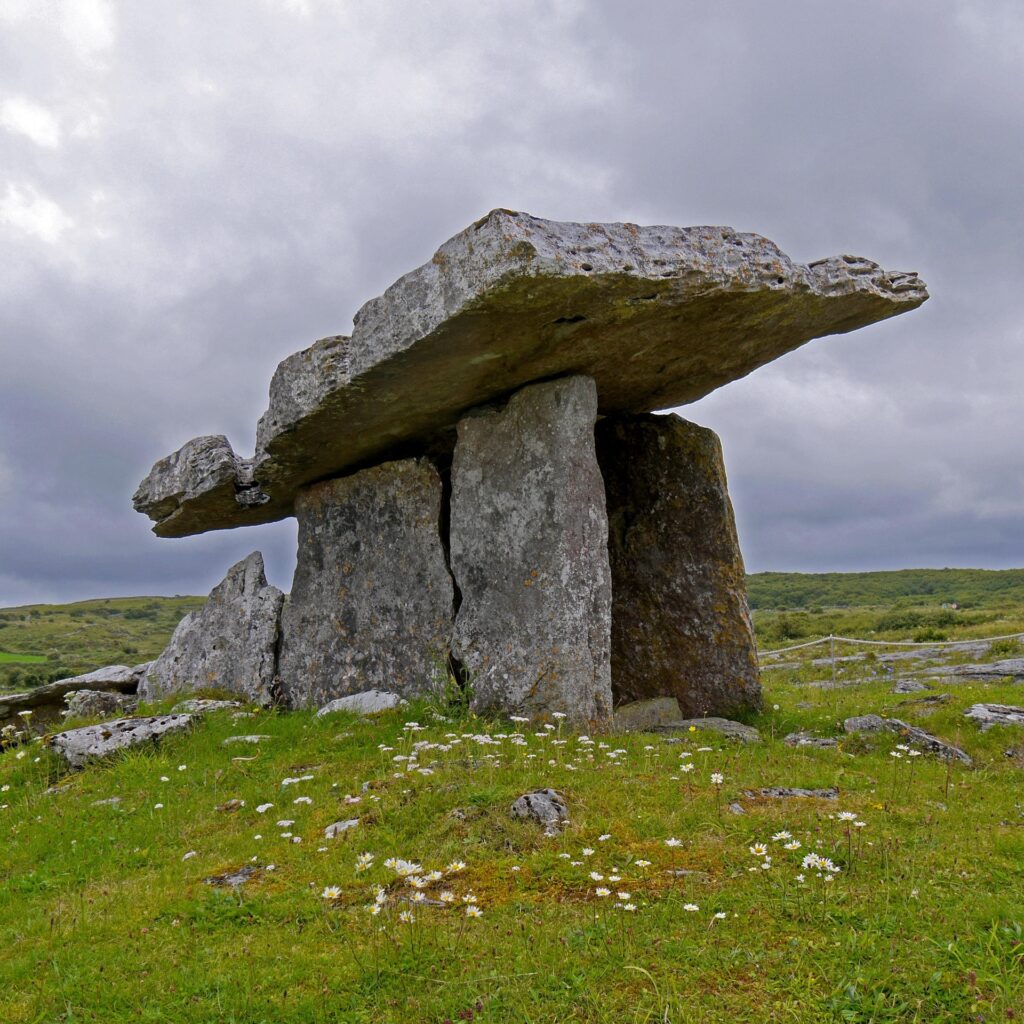
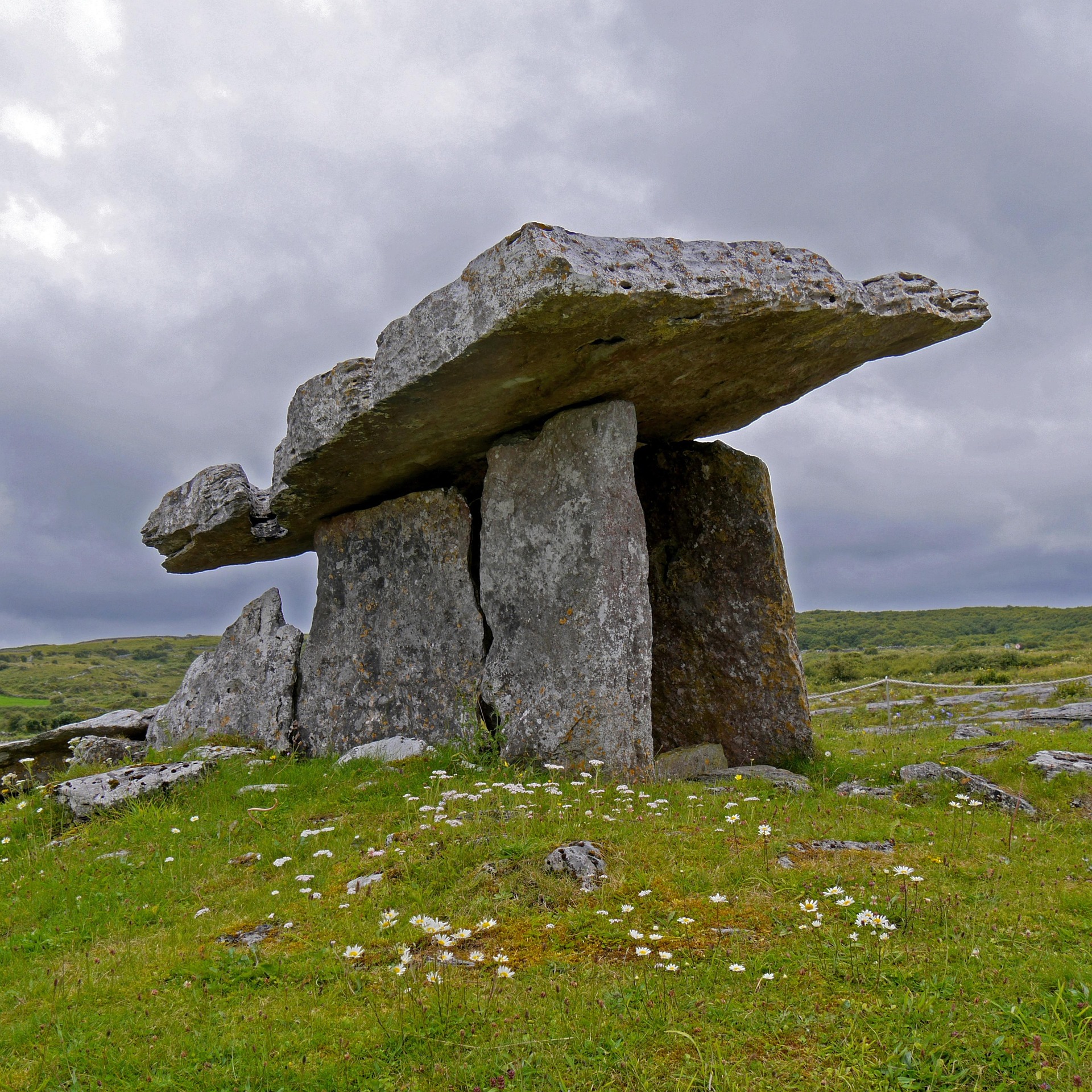
On the west coast of Ireland, in County Clare, you can find another important site called Poulnabrone Dolmen. It stands in a rocky area known as the Burren. This structure is simple but striking. It consists of two tall stones holding up a large flat stone on top. This type of structure is called a portal tomb. Archaeologists have found human bones here, along with tools, pottery, and personal objects. These discoveries show that people lived and died in this area more than 5,000 years ago. Today, the dolmen stands alone in the open landscape, creating a strong feeling of mystery and connection to the past.
Another important place is Carrowmore in County Sligo. It is one of the largest groups of megalithic tombs in Europe. Visitors can walk around the area and see many different types of monuments, including stone circles, dolmens, and cairns. Each one shows a different way that ancient people built structures for burial and rituals. Not far from Carrowmore is a large mound called Queen Maeve’s Cairn, located on top of Knocknarea Mountain. It is very big and can be seen from far away. Many people believe it was built to show power and importance. Visitors can hike up the mountain to reach it and enjoy amazing views of the surrounding land.
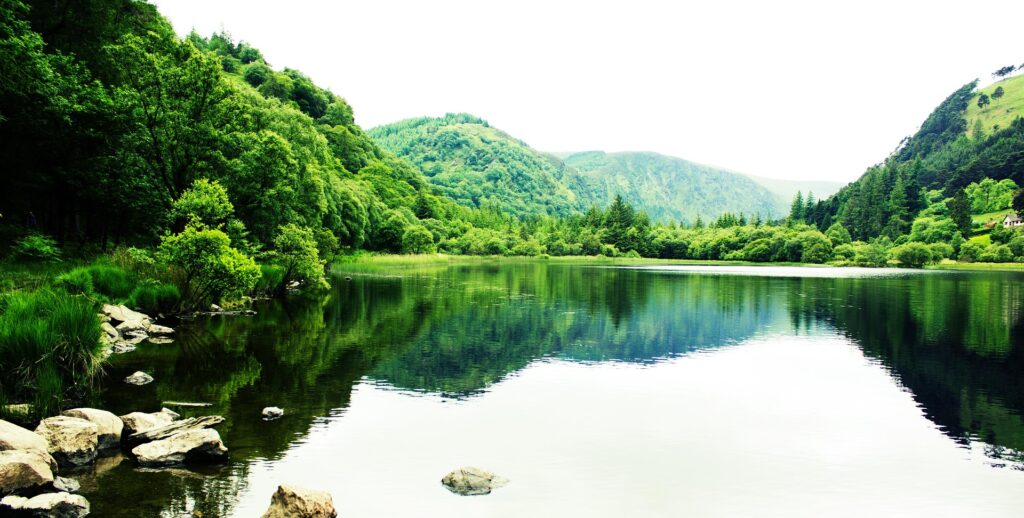
For those who want a quieter and more remote experience, Carrowkeel is another site in County Sligo worth visiting. It is located in the hills and feels peaceful and untouched. Some of the tombs here are open, so visitors can go inside and see how they were built. The stone roofs are still in good condition, even after thousands of years. From this area, you can see beautiful views of lakes and mountains, making it one of the most atmospheric places in Ireland.
Why should you visit these sites? Ireland’s megalithic monuments are not just old stones. They tell stories about the first people who lived on the island. These people studied the sky, respected nature, and created impressive structures using simple tools. Visiting these places allows you to imagine their lives and understand their world. Many of the sites are in the countryside, so you can also enjoy peaceful drives, walking paths, and coastal scenery.
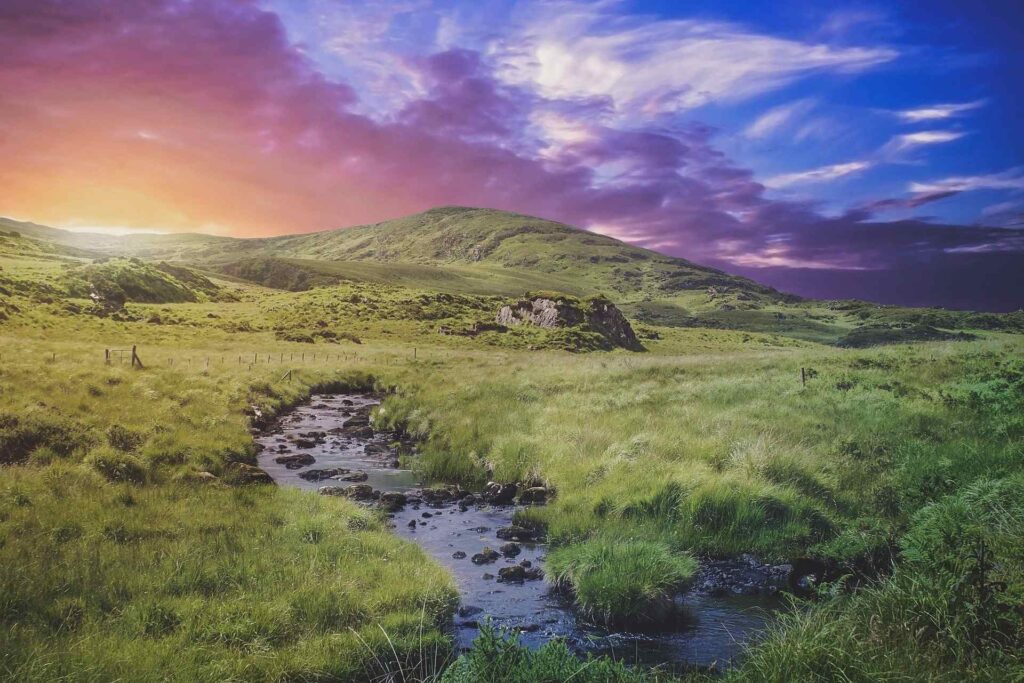
Are these places good for photos? The answer is yes. The shapes of the stones, the changing light, and the natural surroundings make them very photogenic. At sunset, a dolmen can create a dramatic silhouette, while the carvings at Newgrange show detailed and beautiful patterns. The old stones look even more special against Ireland’s cloudy skies, green fields, and wildflowers.
In conclusion, Ireland’s megalithic sites are a perfect mix of history, nature, and mystery. They offer visitors a chance to explore ancient times while enjoying some of the country’s most stunning landscapes.